

Solar PV & Battery Storage
Not sure?Try the Generator AdvisorAll products
-

-
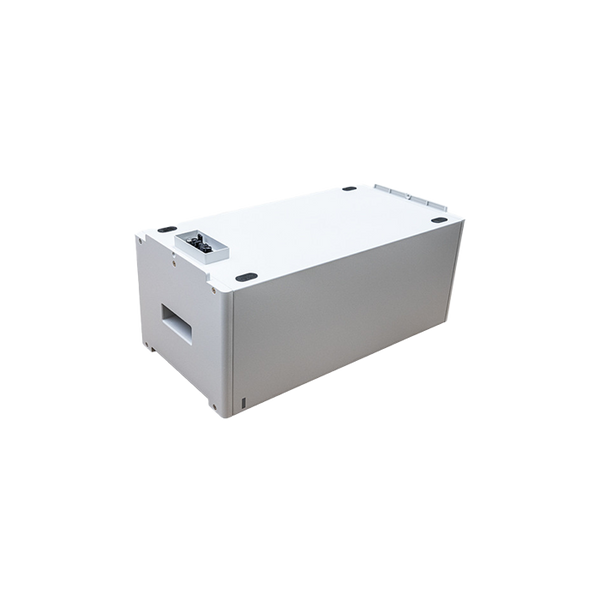
2.97 kWh Blade LFP Battery Module for Battery-Box HVB – BYD
-
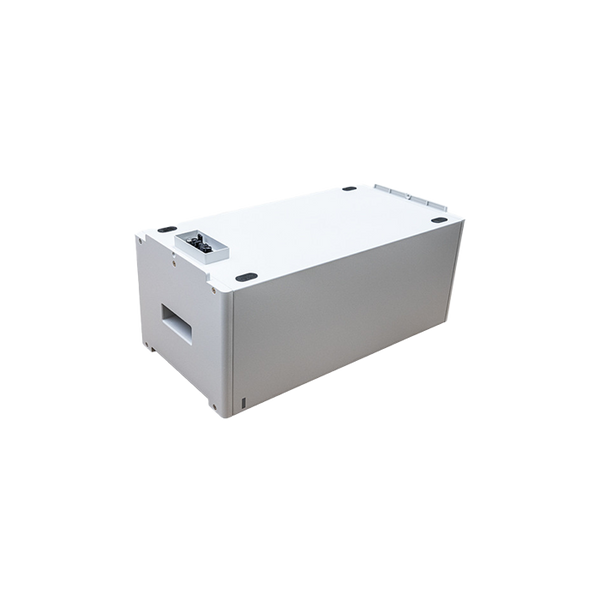
2.76 kWh LiFePO4 Battery Module for Battery-Box HVM+ – BYD
-
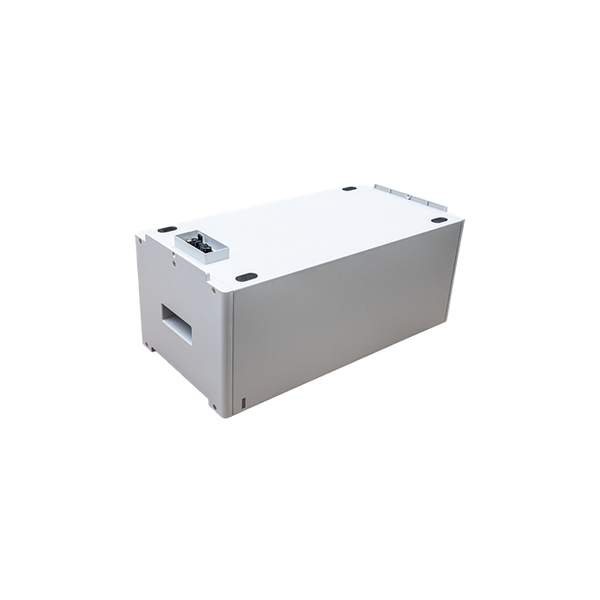
2.56 kWh LiFePO4 Battery Module for Battery-Box HVS+ – BYD
-
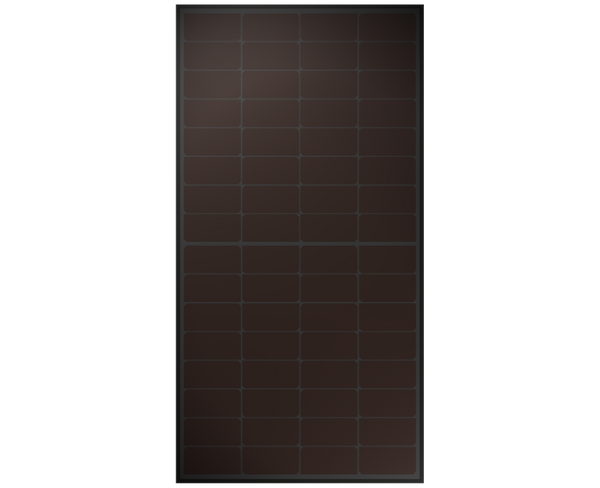
270 Wp Compact Back-Contact Solar Panel – Heckert Zeus 1.2 64 M 270 Full Black
-
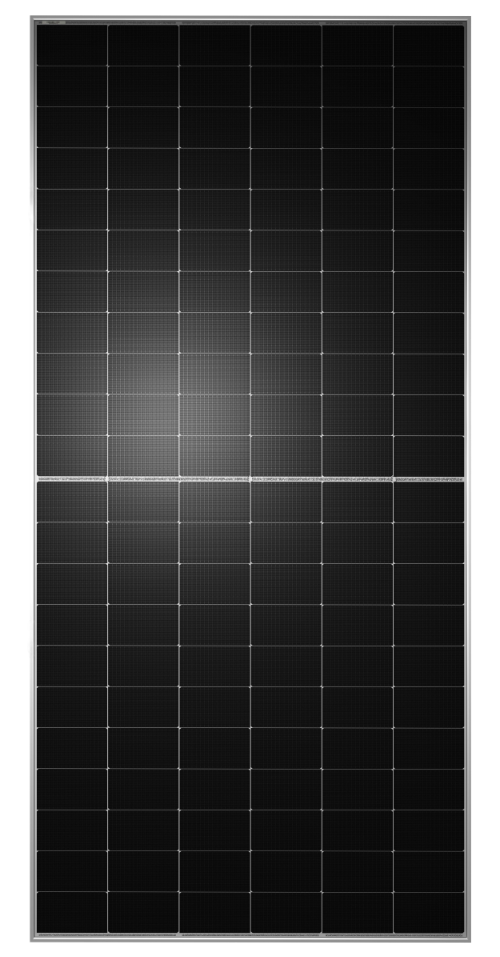
625 Wp Bifacial Glass-Glass Solar Panel – Heckert Zeus 2.1 132 M 625 transparent
-
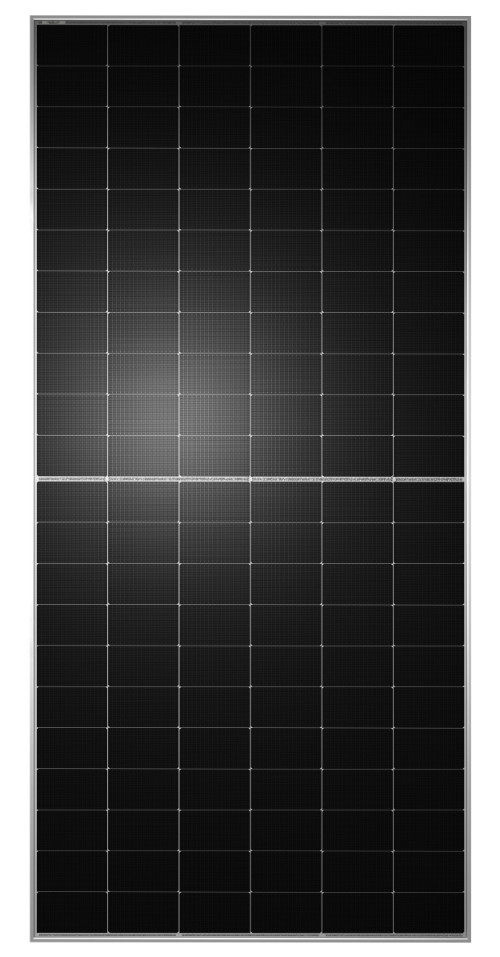
630 Wp Bifacial Glass-Glass Solar Panel – Heckert Zeus 2.1 132 M 630 transparent
-
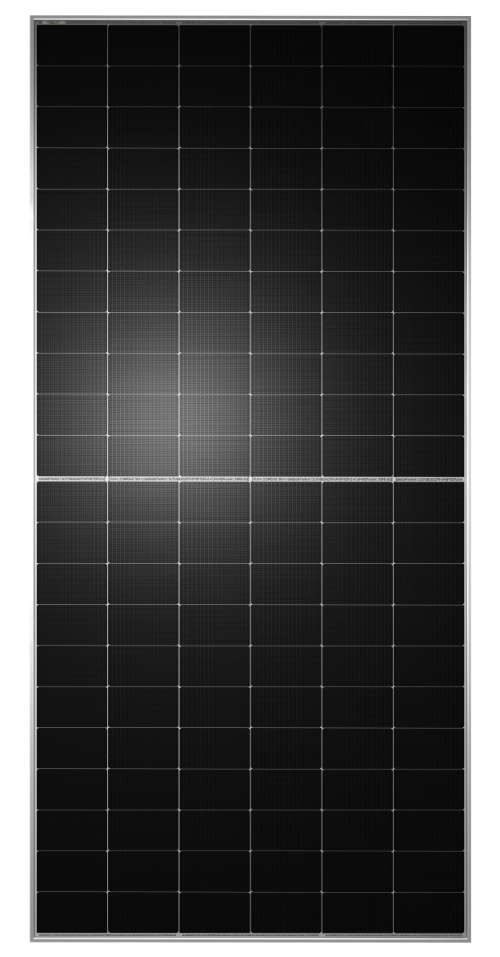
635 Wp Bifacial Glass-Glass Solar Panel – Heckert Zeus 2.1 132 M 635 transparent
-
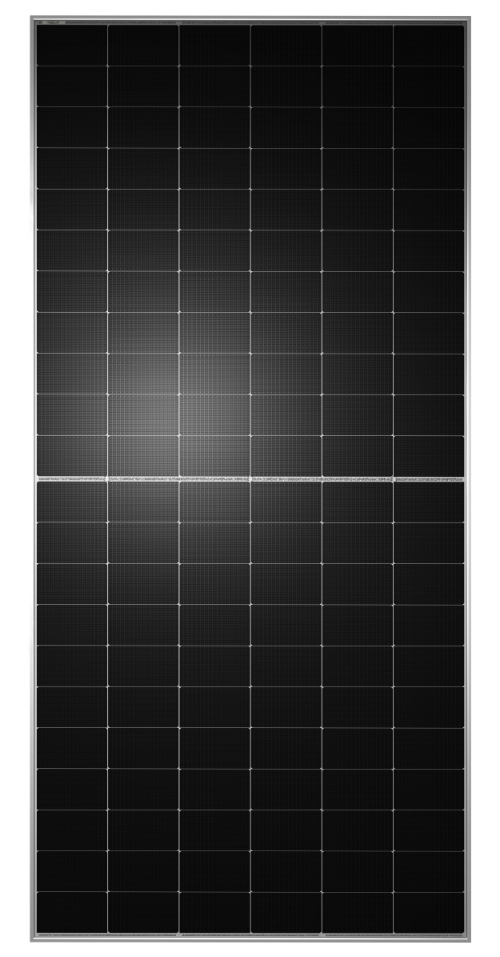
640 Wp Bifacial Glass-Glass Solar Panel – Heckert Zeus 2.1 132 M 640 transparent
-
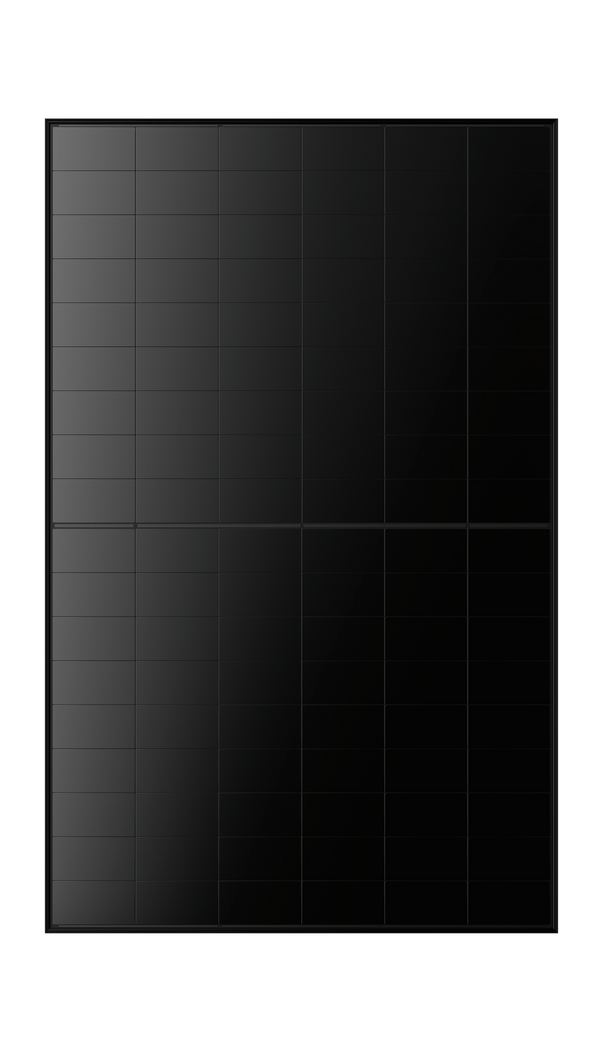
480 Wp Bifacial Back-Contact Solar Panel – Heckert ZEUS 3.0 108 480 62 (A) Full Black
-
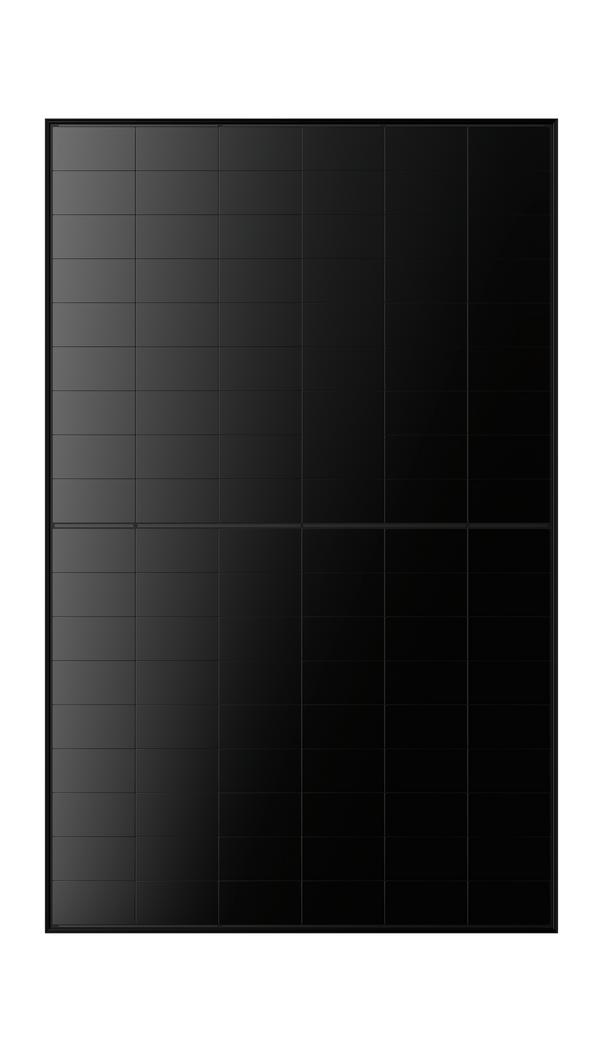
485 Wp Bifacial Back-Contact Solar Panel – Heckert ZEUS 3.0 108 485 62 (A) Full Black
-
480 Wp Bifacial Back-Contact Solar Panel – Heckert ZEUS 3.0+ 108 480 72 (A) Full Black
-
Try the Generator Advisor
Not sure? We're here to help.
Our digital Generator Advisor finds the right generator for your needs in 60 seconds.
Buying guide: Solar PV & Battery Storage
With solar PV systems and battery storage you generate and use your own electricity – straight from the roof during the day, and from the battery in the evening and at night. At Kipor.org you will find complete solar and battery storage systems for homes, businesses and off-grid sites – which can be combined with backup generators, giving us, as an energy technology specialist with 18 years of experience, arguably the most credible hybrid expertise on the market.
Up to 80% self-consumption – use your solar power in the evening and at night instead of exporting it cheaply
LiFePO4 battery storage – over 4,000 charge cycles, safe and long-lasting
True backup capability – hybrid inverters that really keep running during a grid failure
Scalable systems – from balcony solar to a 20 kWh off-grid system for home and farm
Hybrid with generator backup – unique combination expertise from 18 years of generator experience
Personal sizing advice – free of charge on +49 (0) 5423 477400 or online 24/7
Buy Solar PV & Battery Storage – Generate, Store and Use Solar Power Intelligently
A solar PV system generates electricity during the day – often exactly when you use little. Without storage, the surplus flows into the grid; with a battery, you use it when you really need it: in the evening, at night or during longer cloudy spells. A well-sized battery raises your self-consumption from a typical 25–30% to up to 80% – and that is what really makes your PV system pay off.
At Kipor.org you will find the complete spectrum: from balcony solar for rented flats and mobile solar panels with an MPPT power station for motorhomes and outdoor use to complete storage systems with hybrid inverter, lithium iron phosphate batteries and PV modules for a self-sufficient supply for your home or farm.
Honest Advice: “Storage” Does Not Mean “Backup Power”
This is the most common and most expensive misconception when buying a solar battery – and one of the points where the industry deliberately keeps its wording vague. At Kipor.org we tell you the truth:
Most conventional PV systems with battery storage CANNOT be used during a power cut. As soon as the public grid goes down, the standard PV inverter shuts down for safety reasons – leaving you with no power from either the solar panels or the battery, even though both would theoretically be available.
You only get true backup capability with a hybrid or off-grid inverter with a backup power function – ideally with a separate backup socket or a permanently installed transfer solution. Always check whether your system is “backup-capable” or offers “emergency power”, and which loads you can actually supply with it (often only selected circuits, not the whole house).
And for longer power cuts during sustained bad weather, the most honest solution is a combination anyway: PV + battery storage + diesel inverter generator as backup. This is exactly where we, as generator specialists with 18 years of experience, are better placed than any pure PV supplier.
When Solar PV & Battery Storage Is the Right Choice
Homes with roof space: A classic on-grid PV system with battery storage to maximise self-consumption. Significantly lowers your electricity bill and makes you largely independent of electricity price fluctuations.
Rented flats & balconies: Balcony solar systems (up to 800 W) can be installed without an electrician and plugged into any Schuko socket. The investment often pays for itself within three to five years.
Businesses & agriculture: With your own PV system and matching battery storage, you cut running energy costs and reduce your exposure to peak-demand tariffs. For many farms, workshops and smaller businesses, this is now one of the most cost-effective investments of all.
Self-sufficient & off-grid sites: Complete off-grid systems with hybrid inverter, battery storage and generator backup – ideal for garden buildings, remote farms, mobile workshops, research stations and site containers without a grid connection.
Backup power for modern home technology: If you have a heat pump, an electric car or critical IT at home, you need a real backup strategy. The most robust solution combines PV + battery storage + a diesel inverter generator with ATS.
The Three Main Components: PV Module, Inverter, Battery
PV modules: Convert sunlight into direct current (DC). Typical power classes: 380–450 W per module for rooftop systems, 350–600 W for balcony solar (often bifacial modules), and foldable 100–400 W panels for mobile use with a power station.
Inverter: The heart of every PV system. Converts DC power into 230 V alternating current. The main types are:
– String inverters (classic, on-grid, no battery connection)
– Hybrid inverters (with battery connection and usually a backup power function)
– Off-grid inverters (for complete stand-alone systems without a grid connection)
– Microinverters (one inverter per module, typical for balcony solar)
Battery storage: Today almost exclusively based on LiFePO4 (lithium iron phosphate). More than 4,000 charge cycles, high safety, thermally stable. Typical sizes for private households: 5 to 20 kWh usable capacity.
AC- or DC-Coupled – Which Storage Architecture Suits You?
There are two basic architectures for integrating battery storage, and the choice matters:
DC-coupled (hybrid inverter): The battery is connected directly to the inverter. Advantage: higher efficiency (fewer conversion losses) and more elegant control. Ideal for new installations where PV and storage are planned together.
AC-coupled (battery inverter): The battery has its own inverter and is connected to the household circuit. Advantage: easy to retrofit to existing PV systems and can be combined regardless of manufacturer.
Which option makes more sense for you depends on whether you are planning a new system or retrofitting – we will give you honest advice on both.
Hybrid with Generator Backup – What Sets Us Apart
This is exactly where Kipor.org differs from pure solar suppliers: we come from the world of generators and know the combination of PV + battery storage + diesel inverter generator from more than 18 years of hands-on experience.
This hybrid solution gives you:
Daytime operation: Straight from the roof – self-consumption of solar energy.
Evening & night-time operation: From the battery – low-cost and emission-free.
Longer spells of bad weather or grid failures: A diesel inverter generator with ATS takes over automatically and supplies the whole house.
We design the wiring so that the generator can recharge the battery when needed and the transitions between sources run automatically and without interruption – including all important protective functions such as grid/generator isolation and island detection.
Genergy Solar Plan Sirius – Our Core Complete Systems
For complete battery storage systems, Genergy is our key range partner. As the exclusive DACH distributor for Genergy, we offer the Solar Plan Sirius series – complete packages for a self-sufficient or hybrid energy supply for homes, farms and businesses:
Off-grid solar inverters: AC output from 5.2 kW to 8 kW – enough for detached houses through to smaller businesses.
LFP battery storage: Modular lithium iron phosphate batteries from 10 kWh to 20 kWh usable capacity.
Solar arrays: 4 kW to 9.24 kW PV output – fully preconfigured with modules, mounting system and cabling.
Wi-Fi remote monitoring: Keep an eye on generation, consumption and battery level at any time via the app.
The Sirius systems are designed to run independently or to be combined seamlessly with a diesel inverter generator as backup – a setup we at Kipor.org have been planning and implementing in practice for years.
Balcony Solar & Mobile Solar Solutions
Not everyone has their own roof. For rented flats, terraced houses without a south-facing roof or as an affordable way into generating your own power, balcony solar systems (plug-in solar) are the ideal solution – complete with module(s), microinverter, mounting bracket and connection cable. Plug and play, into any Schuko socket, without an electrician.
For mobile applications – camping, motorhomes, tiny houses, allotments – we stock foldable solar panels with MPPT input that can be connected directly to power stations. This gives you power in places no cable can reach.
Self-Consumption and Cost-Effectiveness
The cost-effectiveness of a PV system with battery storage depends on three factors: the electricity price (rising in the long term), the feed-in tariff (falling in the long term) and your share of self-consumption (which battery storage can increase considerably).
Rule of thumb for homes: a well-sized battery raises self-consumption from 25–30% to 60–80%. At current electricity prices, complete systems typically pay for themselves after 8 to 14 years – with a service life of 20+ years, that leaves many years of almost free electricity.
Important: bigger is not automatically better. We help you choose the right size for your consumption – an oversized battery costs money without adding value, while an undersized one does too little to increase self-consumption.
Solar PV & Battery Storage Brands at Kipor.org
The focus of our range is Genergy with the Solar Plan Sirius series and matching power stations. In addition, we stock products from the EcoFlow ecosystem for mobile and semi-stationary use, as well as selected modules, inverters and storage components from other manufacturers.
We technically inspect every system and ensure it is suited to the European market – including conformity documentation, German instructions and a compatible choice of components.
Free Advice – in Person or Online Around the Clock
Want to know which battery size suits your consumption, whether a hybrid inverter with backup function makes sense for you, or what the optimal combination of PV, battery storage and diesel inverter backup looks like for your home? Our technical team will advise you free of charge and independently of any manufacturer on +49 (0) 5423 477400.
Outside our business hours, our free online advice tool is available 24 hours a day, 7 days a week. We deliver throughout the EU.
Why choose an inverter generator?
-
Clean sine wave
Conventional generators fluctuate. Inverters clean up the power digitally – your laptop and phone will thank you.
-
Whisper mode
Enclosed housings and eco mode make them up to 30% quieter than conventional generators.
-
Fuel saver
The engine only revs as high as it needs to. Need just 100 W? It simply ticks over at idle.
Harmonic distortion
< 2.5%
Safe for laptops & IT equipment
Noise level
~ 54 dB
Quieter than a conversation
Availability
98% in stock
Order today, ready to ship tomorrow
 Knetterhauser Straße 26
