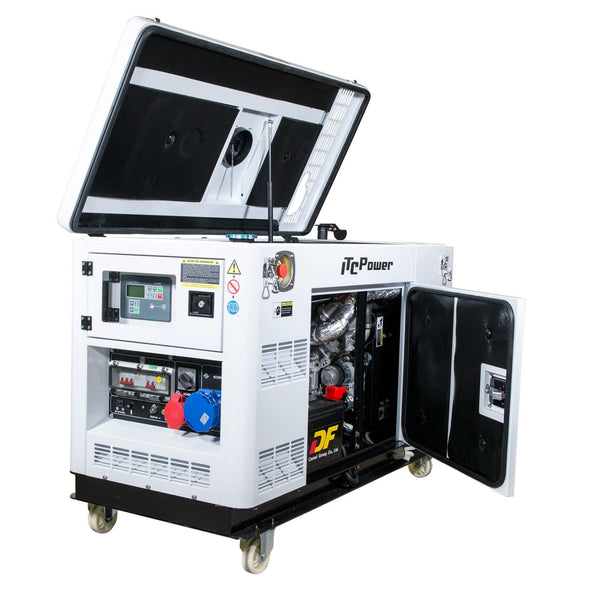
Generators for Mobile EV Charging
Not sure?Try the Generator AdvisorAll products
-
-
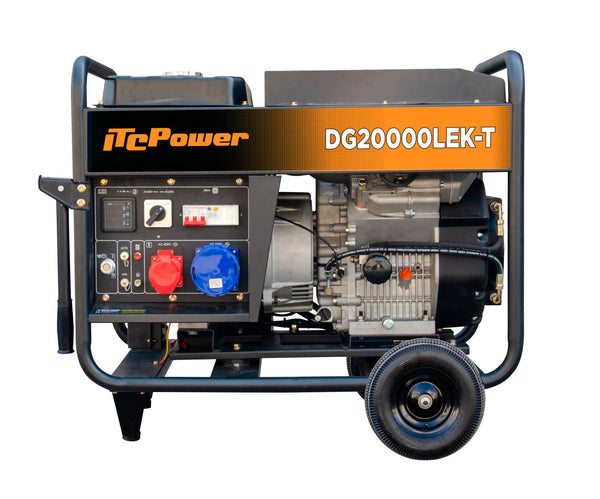
20 kVA / 16 kW Diesel Generator DG20000LEK-T ITC POWER
-

20 kVA / 16 kW Diesel Generator 230V & 400V DG20000SE-T
-
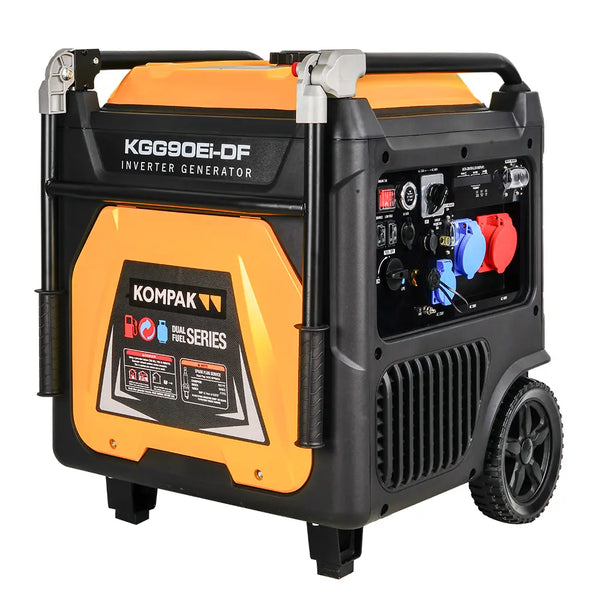
11 kVA 400 V LPG & Petrol Inverter Generator Kompak KGG90Ei-DF
75 dB(A) Whisper-quiet8.9 kW Max. outputRecoil start;… Start type -
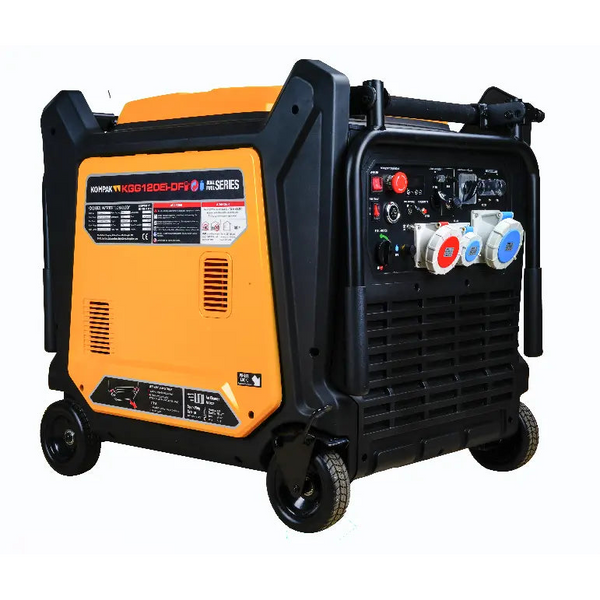
16 kVA 400 V LPG & Petrol Inverter Generator Kompak KGG120Ei-DF
75 dB(A) Whisper-quiet13.0 kW Max. outputElectric start Start type -
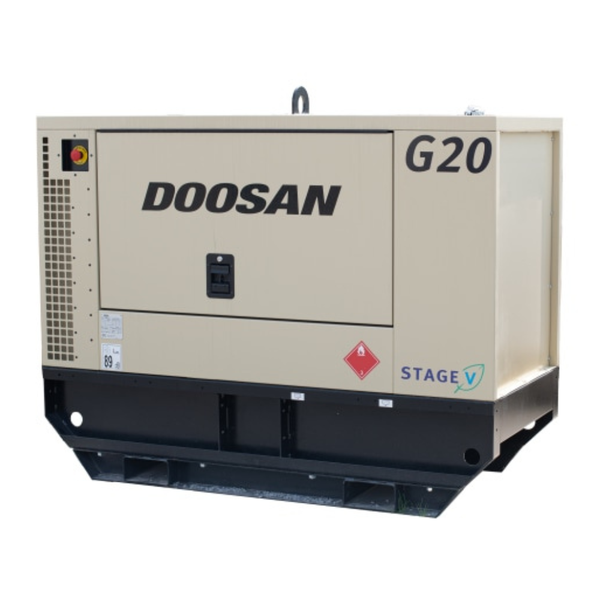
19 kVA Stage V Standby Generator DOOSAN G20
63 dB(A) Whisper-quietElectric start Start type -
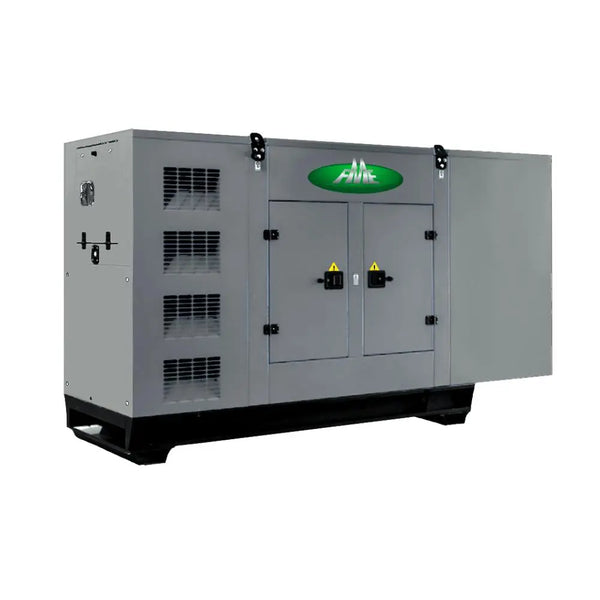
20 kVA Standby Generator FME SimpleGen B20 (Baudouin)
71.20 dB(A) Whisper-quiet5.33 kW Max. output62.00 L Tank capacityElectric start Start type -
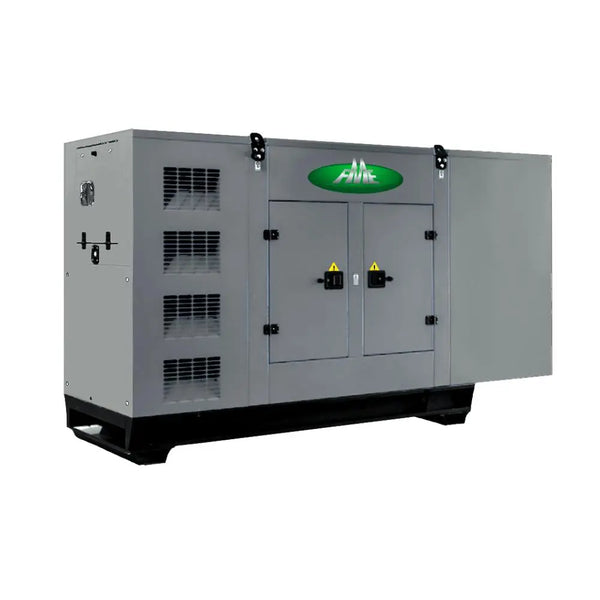
25 kVA Standby Generator FME SimpleGen B25 (Baudouin)
72.20 dB(A) Whisper-quiet6.67 kW Max. output62.00 L Tank capacityElectric start Start type -
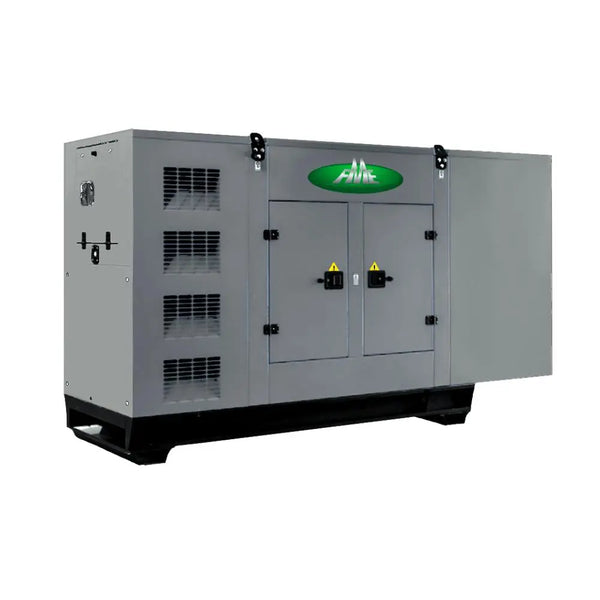
30 kVA Standby Generator FME SimpleGen B30 (Baudouin)
-
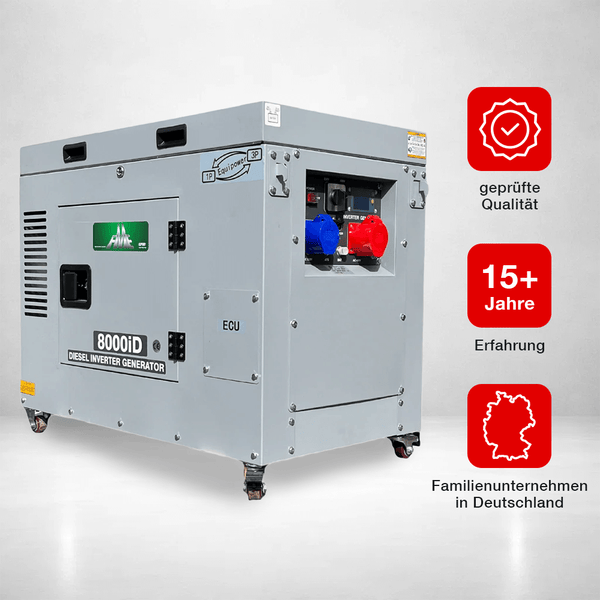 Also runs on HVO100 and heating oil
8000 W Diesel Inverter Generator FME 8000iD 230V & 400V with Integrated ATS Input (Pre-order now)
8.0 kW Max. output15 L Tank capacityElectric start Start type -
Try the Generator Advisor
Not sure? We're here to help.
Our digital Generator Advisor finds the right generator for your needs in 60 seconds.

Buying guide: Generators for Mobile EV Charging
Generators for Mobile EV Charging Stations – What Really Matters
Charging an electric car from a generator sounds easier than it is. If you set up the wrong combination of wallbox and generator, in the worst case you end up with an EV that simply refuses to charge – and learn the hard way that the data sheets may match, but reality is more complex. Three technical pitfalls decide between success and failure: the earthing system, the power quality and the actual continuous load.
The Earthing System Decides Whether the Wallbox Starts at All
Most wallboxes expect a TN-S system with the protective earth and neutral actively bonded (PE-N bridge). Mobile generators are often supplied ex works with an IT system in which PE and N are not connected – for safety reasons when used as a stand-alone supply. The wallbox detects this, reports a fault and refuses to release charging. The solution is either a generator with a switchable earthing system (TN-S/IT switch), as is standard on emergency services equipment, or a certified PE-N bridge plug connected between the generator and the wallbox. Both are legal and safe, but have to be planned deliberately.
Power Quality Determines Service Life
At their core, wallboxes are intelligent switching devices with frequency converters, residual current protection and communication with the vehicle. This electronics needs a pure sine wave with low total harmonic distortion (THD), which only inverter generators deliver. AVR synchronous generators often produce eight to twelve per cent THD – some wallboxes tolerate this, others refuse to charge or suffer long-term damage. For professional use on a daily basis, there is no alternative to an inverter generator.
How Much Generator Power Does Each Wallbox Need?
The rule of thumb: wallbox rated power plus a 30 per cent safety margin gives you the minimum generator output. An 11 kW wallbox on an 11 kVA generator works on paper, but in real-world operation it runs permanently at the limit and cuts out at the slightest load spike. Realistically, you need 13 to 15 kVA for an 11 kW wallbox at full load and 25 to 30 kVA for 22 kW. If you choose a smaller generator, you should manually limit the wallbox to a lower charging current – modern models can be set from 32 A down to 16, 10 or 8 A.
Emergency Charging via Schuko as a Special Case
The Schuko emergency charging cable supplied with every EV draws a maximum of 10 A at 230 V – i.e. 2.3 kW. That is enough for roughly 12 km of range per hour. For roadside assistance for an EV that can no longer be driven, or as a stopgap for campers, any solid inverter generator from 3 kW or a portable power station with pure sine wave output can be used. Important: the ICCB (In-Cable Control Box) of the Schuko cable also checks the PE-N connection – the rules described above apply in exactly the same way.
Diesel or Petrol?
For professional use on a daily or weekly basis, diesel is clearly the better choice: higher efficiency under continuous load, longer fuel storage stability and fewer fire and storage issues. For occasional stopgap solutions at home or in hotels, a petrol or dual fuel generator can be more economical.
Expert Advice Instead of a Bad Investment
The right combination of wallbox, generator and adapter depends on your wallbox brand, the charging power you want and how often you use it. Send us your wallbox's data sheet and a short description of the application – we will configure the right generator including PE-N bridge, CEE adapter and fuel consumption calculation, and give you a complete quotation.
Why choose an inverter generator?
-
Clean sine wave
Conventional generators fluctuate. Inverters clean up the power digitally – your laptop and phone will thank you.
-
Whisper mode
Enclosed housings and eco mode make them up to 30% quieter than conventional generators.
-
Fuel saver
The engine only revs as high as it needs to. Need just 100 W? It simply ticks over at idle.
Harmonic distortion
< 2.5%
Safe for laptops & IT equipment
Noise level
~ 54 dB
Quieter than a conversation
Availability
98% in stock
Order today, ready to ship tomorrow
 Knetterhauser Straße 26